 Aria
Aria

The Forgotten Consequences of Memory Loss
Why Is Memory Loss Not Just “Forgetting”?
Memory is one of the most fundamental building blocks of the human mind. Remembering something does not only mean recalling the past; it is also essential for learning, making decisions, communicating, and preserving our identity. For this reason, memory loss often brings consequences far broader than we assume. Forgetting an appointment, failing to remember a name, or quickly losing newly learned information can be early signs that mental performance is declining.
World Memory Test helps make this process easier to understand by focusing on memory, intelligence tests, the major system, and language learning. In particular, seeing how memory works offers a practical starting point for recognizing strengths and weaknesses. Because the effects of memory loss directly influence not only academic or professional success, but also the quality of daily life.
The Overlooked Consequences of Memory Loss
Memory loss is often judged simply as “forgetfulness.” Yet its consequences are much deeper. People often struggle in the following areas:
- Learning new information and retaining it for a long time
- Completing daily tasks in order
- Remembering names, dates, and important details
- Maintaining focus and attention span
- Finding the right word during conversation
When these effects come together, a person’s self-confidence can decrease. Constant forgetting may create a sense of inadequacy and cause withdrawal from social settings. Especially in work life or education, memory problems show up as reduced performance. That is why memory loss is not only a mental issue, but also an emotional and social one.
Effects on Identity and Self-Confidence
What we remember also shapes who we are. Past experiences, the information we learn, and the habits we repeat are stored in memory. When memory weakens, a person may feel more indecisive, more disorganized, and sometimes less secure. This becomes especially noticeable as we age. However, it is possible to notice the effects of memory loss early and slow this process through mental exercises.
Memory is not just a storage of information; it is the shared center of learning, habit, and identity.
Why Is World Memory Test Useful?
Platforms like World Memory Test offer structured tests and practical content to help people understand memory. This way, users can move beyond labeling themselves as simply “good” or “bad” and instead see which areas they are strong in. Memory tests can help measure different areas such as short-term memory, long-term memory, visual memory, and numerical memory.
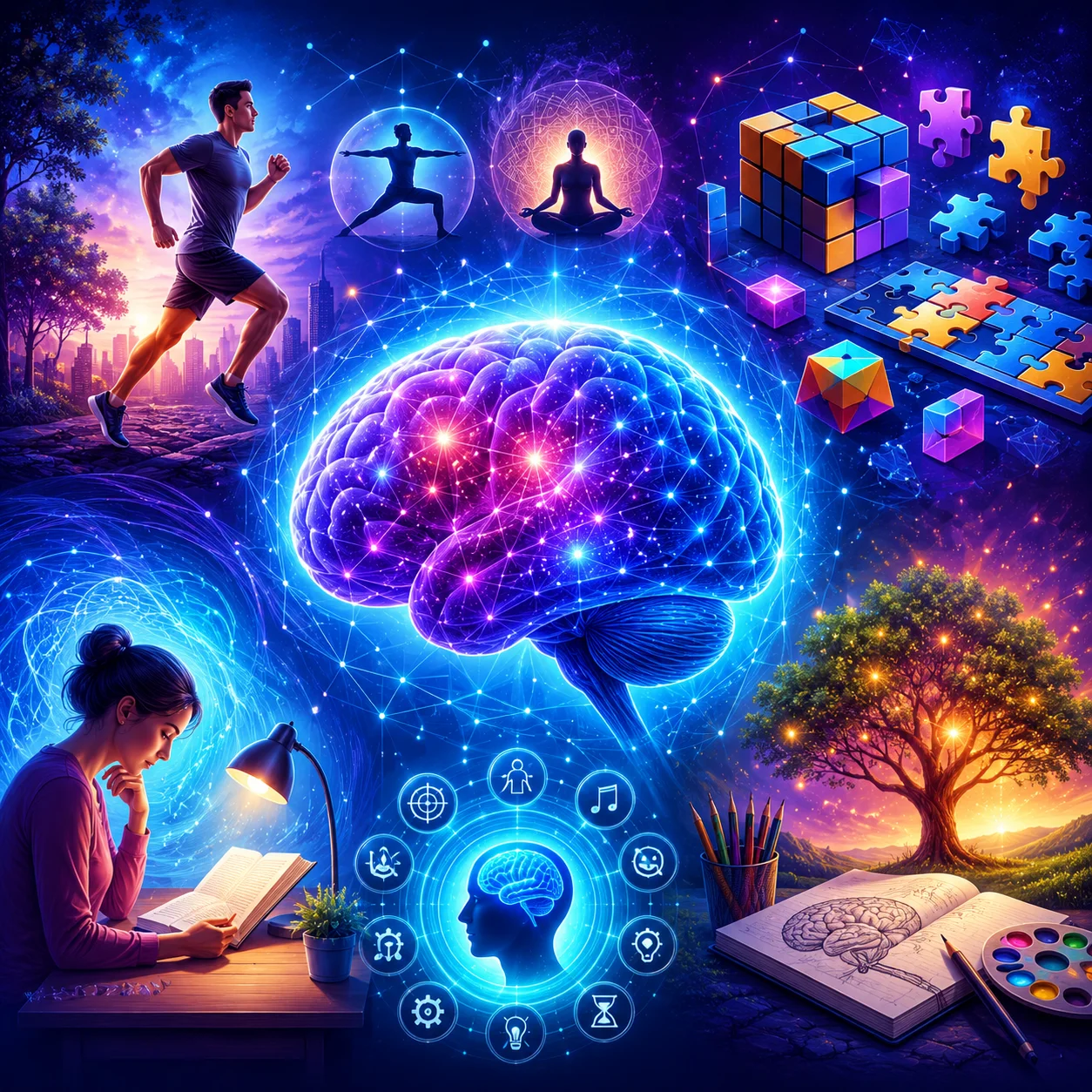
These kinds of tests also encourage regular practice. Just like muscles, the brain gets stronger the more it works. Memory exercises, repetition techniques, and systematic learning methods can support mental performance. In particular, memory techniques such as the major system help information be encoded and recalled more easily.
The Major System: A Smart Method That Strengthens Memory
The major system is an effective memory technique that works by turning numbers into visual associations through sound similarities. This method is especially useful for those who want to memorize numbers. Because it transforms abstract information into concrete, memorable images. In this way, the brain turns data that seems random into a meaningful story.
How Does the Major System Help?
- It makes numbers easier to remember quickly
- It helps retain long sequences
- It makes the memorization process more enjoyable
- It actively uses visual memory
For people experiencing memory loss or complaining of forgetfulness, the major system is one effective way to reorganize the mind. Of course, it is not a miracle on its own; however, combined with regular repetition and the right strategy, it can produce strong results.
The Connection Between Language Learning and Memory
Learning a new language is one of the best exercises for memory. Learning vocabulary, grammar structures, pronunciation patterns, and meaning relationships requires the brain to work actively. For this reason, the language-learning process does not only improve communication skills, but also increases cognitive flexibility.
That is why including language learning in the World Memory Test content is important. Because memorizing vocabulary, forming sentences, and using repetition techniques train memory in a disciplined way. In particular, spaced repetition, association building, and visual memory techniques can improve retention in a new language.
Tips That Support Memory While Learning a Language
- Learn new words in sentences
- Spread repetition across different days
- Use visuals and stories
- Group similar words together
- Support auditory memory with spoken repetition
These methods do not only speed up foreign language learning; they also improve memory capacity. As a result, the feeling of forgetfulness may decrease and learning can become more sustainable.
How Do Intelligence Tests Complement Memory?
Intelligence tests can measure not only reasoning ability, but also areas such as attention, speed, problem-solving, and working memory. There is a direct relationship between memory and intelligence. Because the stronger mental processing is, the better the ability to retain and use information becomes.
The intelligence tests on World Memory Test allow users to see their cognitive profile in a more holistic way. This is especially valuable for understanding which area needs improvement. Some people may be strong in visual memory, while others may perform better in verbal memory. Tests make these differences visible.
Daily Habits That Support Memory
There are simple but effective habits that can be applied in daily life to reduce the effects of memory loss. In the long term, these can increase mental resilience.
- Getting enough sleep
- Doing regular physical activity
- Reducing sugar and heavily processed foods
- Developing a note-taking habit
- Continuing to learn new things
- Solving mental games and tests
These habits do not only protect memory; they also increase learning speed. One of the most important steps in fighting forgetfulness is not leaving the mind idle and keeping it active all the time.
Conclusion: Taking Memory Seriously Protects the Future
Memory loss may often seem like a small issue, but in the long run it can have serious consequences that affect quality of life. From self-identity to learning speed, from self-confidence to social relationships, many areas are influenced by this condition. That is why discovering methods that strengthen memory at an early stage is so important.
World Memory Test offers a comprehensive perspective for mental development by bringing together memory, intelligence tests, the major system, and language learning. With regular tests, the right techniques, and conscious habits, you can make your memory stronger. Remember: improving memory is not just about remembering more; it is about learning better, thinking more strongly, and protecting mental potential.